

Learning doesn’t have to be difficult or stressful. By using easy learning methods, students and learners of all ages can understand concepts faster, retain information longer, and enjoy the learning process. These methods focus on simple strategies that make studying more effective and less overwhelming.
Whether you are a student preparing for exams, a professional learning a new skill, or a self-learner exploring new topics, easy learning methods can help you achieve your goals efficiently.
What Are Easy Learning Methods?
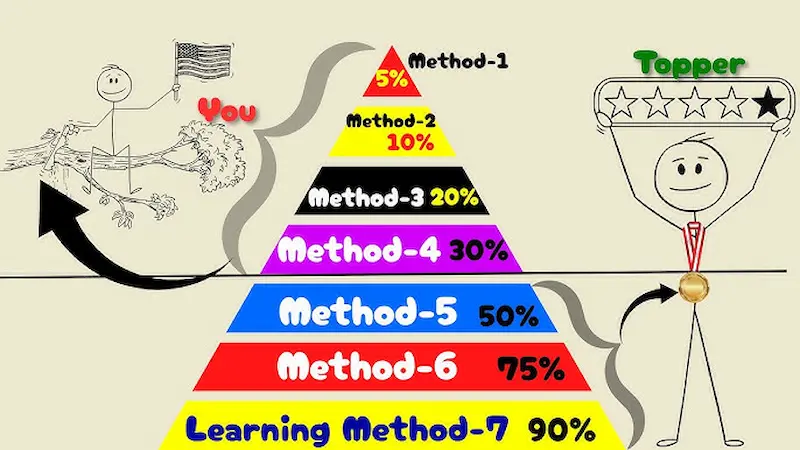
Easy learning methods are simple, practical approaches to studying or acquiring new skills. They emphasize understanding concepts rather than memorizing them and help learners retain information for longer periods.
Common features of easy learning methods:
- Step-by-step guidance
- Simple and clear explanations
- Use of visuals and examples
- Practice-based learning
- Short, focused study sessions
Why Use Easy Learning Methods?
Traditional studying often involves long hours of reading and memorization, which can be stressful and ineffective. Easy learning methods provide:
- Faster understanding of concepts
- Better retention and memory
- Reduced stress and frustration
- Improved focus and concentration
- Flexible strategies for different learning styles
By making learning easier and enjoyable, these methods encourage consistent study habits.
Top Easy Learning Methods
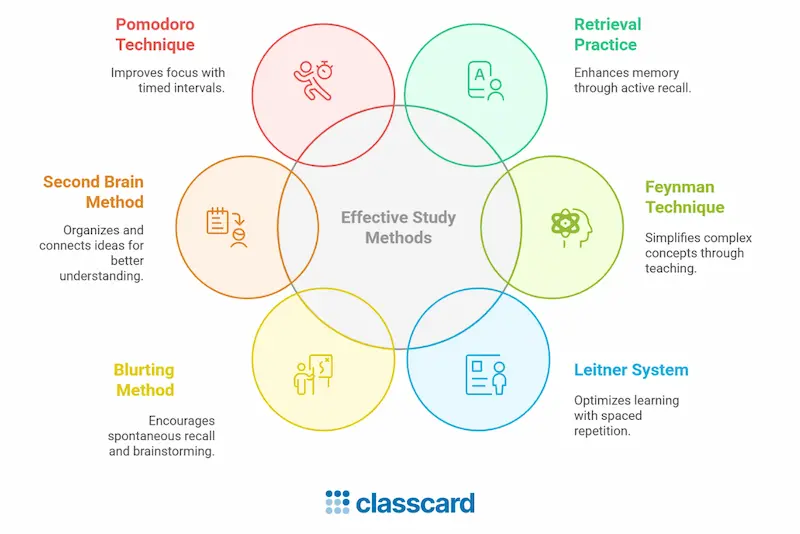
1. Break Information Into Small Chunks
Instead of trying to learn everything at once, divide topics into small sections. This is called chunking and helps the brain process and remember information more effectively.
2. Use Visual Aids
Diagrams, charts, and mind maps simplify complex concepts and make learning more engaging. Visual aids are especially helpful for remembering details.
3. Teach What You Learn
Explaining concepts to someone else or even to yourself strengthens understanding and helps identify gaps in knowledge.
4. Practice Regularly
Practice makes learning stick. Solve exercises, quizzes, or real-life problems related to the topic you’re studying.
5. Use Mnemonics and Memory Tricks
Memory aids like acronyms, rhymes, or visualization techniques make it easier to remember facts and lists.
6. Study in Short, Focused Sessions
Short study sessions with breaks (like the Pomodoro Technique) help maintain focus and prevent fatigue.
7. Relate New Knowledge to Real Life
Connecting concepts to real-life examples makes learning meaningful and easier to recall later.
You may also like it:
Time Management for Students: Smart Tips to Use Time Wisely
Online Subject Lessons for Easy and Flexible Learning
Test Preparation Guide – Step-by-Step Plan to Score High
Step by Step Learning Guide for Easy and Effective Learning
Who Can Benefit from Easy Learning Methods?
- School and college students
- Exam candidates
- Professionals learning new skills
- Online learners
- Anyone who wants to learn faster and smarter
These methods work for all subjects, skills, and age groups.
Tips to Make Learning Even Easier
- Stay consistent and study daily
- Avoid multitasking while studying
- Take short breaks to refresh your mind
- Review and revise regularly
- Set clear learning goals
Consistency combined with easy learning methods leads to better results over time.
Conclusion
Easy learning methods help learners study smarter, not harder. By using simple techniques like chunking, visuals, practice, and real-life examples, learning becomes less stressful, more enjoyable, and highly effective.
Whether you are preparing for exams, learning a new skill, or exploring a hobby, incorporating easy learning methods into your routine can improve understanding, retention, and performance.
FAQs: Easy Learning Methods
1. What are easy learning methods?
Easy learning methods are simple and practical strategies to study or learn new skills effectively without stress. They focus on understanding, retention, and smart practice.
2. Why should I use easy learning methods?
These methods help learners grasp concepts faster, retain information longer, reduce stress, and make studying more enjoyable and effective.
3. Who can benefit from easy learning methods?
Students, exam candidates, online learners, professionals learning new skills, or anyone who wants to study smarter can benefit from easy learning methods.
4. What are some examples of easy learning methods?
Common techniques include:
Breaking information into small chunks
Using visual aids like charts or mind maps
Teaching concepts to others
Regular practice and exercises
Mnemonics and memory tricks
5. How do easy learning methods improve memory?
Methods like chunking, mnemonics, and using real-life examples help the brain process and recall information more effectively, making learning long-lasting.