
Learning something new can be both exciting and overwhelming, especially if you are a beginner. Whether it’s a new subject, language, hobby, or skill, starting with simple and easy lessons for beginners makes the learning process smooth and effective. Easy lessons help you understand basic concepts, gain confidence, and gradually move to advanced levels without stress or confusion.
In this guide, we will explore why beginner lessons are important, types of easy lessons, practical strategies for learning, and tips to stay motivated.
Why Easy Lessons for Beginners Are Important

Starting with easy lessons is essential for anyone learning a new skill. Here’s why:
- Builds a Strong Foundation
Easy lessons focus on the basics, which are the foundation for advanced learning. Without understanding the fundamentals, it becomes difficult to master complex topics later. - Reduces Frustration
Jumping into difficult topics too soon can be overwhelming. Easy lessons allow learners to progress gradually, making learning enjoyable and less stressful. - Boosts Confidence
Small achievements from beginner lessons give learners confidence, encouraging them to continue learning without fear of failure. - Encourages Consistent Learning
Easy lessons are approachable, making it more likely for learners to practice regularly, which is key to mastery.
Types of Easy Lessons for Beginners
1. Academic Lessons
Academic beginner lessons are designed to help students grasp foundational concepts in subjects like mathematics, science, and languages:
- Mathematics: Addition, subtraction, multiplication, division, and basic geometry.
- Science: Understanding simple concepts like the solar system, basic biology, or states of matter.
- Languages: Basic grammar rules, vocabulary, and sentence formation.
These lessons help students understand concepts step by step, making further learning easier.
2. Online and Digital Learning Lessons
Many online platforms provide beginner-friendly lessons in various fields:
- Programming: Learning basic coding syntax and simple programs.
- Digital Design: Basic graphics, colors, and shapes.
- Digital Marketing: Introduction to SEO, social media, and online tools.
Online lessons often include video tutorials, interactive exercises, and quizzes to make learning engaging.
3. Hobby and Skill-Based Lessons
Hobbies like painting, music, cooking, or sports are easier to learn with beginner lessons:
- Start with simple techniques such as basic strokes in painting or simple songs in music.
- Follow structured exercises and practice routines.
- Gradually progress to more complex skills as confidence grows.
4. Life Skills Lessons
Easy lessons are also useful for essential life skills:
- Time Management: Learning how to schedule tasks and avoid procrastination.
- Communication Skills: Basic listening, speaking, and writing skills.
- Personal Finance: Understanding saving, budgeting, and basic money management.
- Health Habits: Simple exercises, balanced diet, and daily routines.
These lessons make real-life skills easy to learn and implement.
You may also like it:
Time Management for Students: Smart Tips to Use Time Wisely
Online Subject Lessons for Easy and Flexible Learning
Test Preparation Guide – Step-by-Step Plan to Score High
Step by Step Learning Guide for Easy and Effective Learning
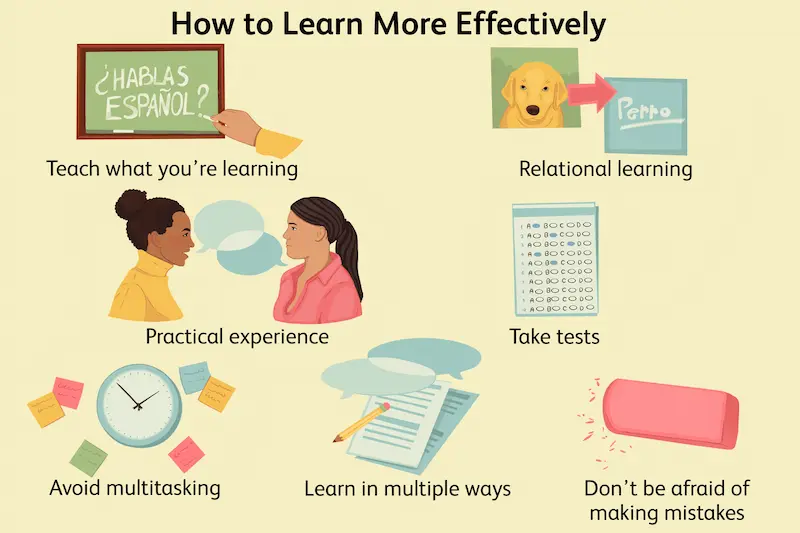
How to Learn Easy Lessons Effectively
1. Start Small
Focus on one topic or skill at a time. Breaking lessons into small steps helps beginners grasp concepts without feeling overwhelmed.
2. Practice Regularly
Consistent practice strengthens understanding and builds memory. Even 15–30 minutes daily can make a big difference.
3. Use Visual Aids and Examples
Diagrams, charts, images, videos, and real-life examples make beginner lessons more understandable and memorable.
4. Ask Questions and Clarify Doubts
Don’t hesitate to ask questions. Clarifying doubts early prevents confusion as you move to more advanced lessons.
5. Take Notes
Writing down key points helps reinforce learning and provides a quick reference for revision.
6. Reward Yourself
Celebrate small achievements. Rewarding yourself after completing lessons motivates continued learning.
7. Stay Patient and Consistent
Learning is a journey. Beginners must stay patient, practice regularly, and maintain a positive attitude to see steady progress.
Benefits of Easy Lessons for Beginners
- Builds a strong foundation for advanced learning
- Improves confidence and motivation
- Reduces fear of mistakes or failure
- Encourages consistent practice
- Makes learning fun and engaging
Examples of Easy Lessons for Beginners
- Learning to write simple sentences in English
- Solving basic arithmetic problems in mathematics
- Drawing simple shapes and coloring in art
- Playing a few simple chords on a musical instrument
- Cooking easy recipes like sandwiches or smoothies
Starting small ensures that learners develop skills progressively, making complex tasks easier in the future.
Final Thoughts
Starting with easy lessons for beginners is the most effective way to learn any new skill, subject, or hobby. By focusing on the basics, practicing regularly, and staying consistent, anyone can gradually build expertise and confidence. Remember, every expert was once a beginner—taking the first small step with easy lessons is the key to long-term success.
FAQs: Easy Lessons for Beginners
1. What are easy lessons for beginners?
Easy lessons for beginners are simple, step-by-step learning materials designed to help new learners understand basic concepts and develop skills gradually.
2. Why are easy lessons important for beginners?
They help build a strong foundation, reduce frustration, increase confidence, and make learning enjoyable and effective.
3. Which subjects or skills have easy beginner lessons?
Almost any subject or skill can have beginner lessons, including mathematics, languages, science, music, painting, digital skills, and life skills.
4. How can beginners learn effectively?
Beginners should start small, practice regularly, use visual aids, clarify doubts, take notes, and maintain patience and consistency.
5. How long does it take to see progress with easy lessons?
With consistent practice, beginners usually notice improvement in a few weeks. Progress depends on effort, practice frequency, and dedication.