

An exam study plan is the foundation of successful exam preparation. Studying without a plan often leads to confusion, wasted time, and last-minute panic. A well-structured exam study plan helps students stay organized, manage time wisely, and cover the entire syllabus with confidence.
This detailed guide will walk you through everything you need to know about creating, following, and improving an effective exam study plan.
What Is an Exam Study Plan?
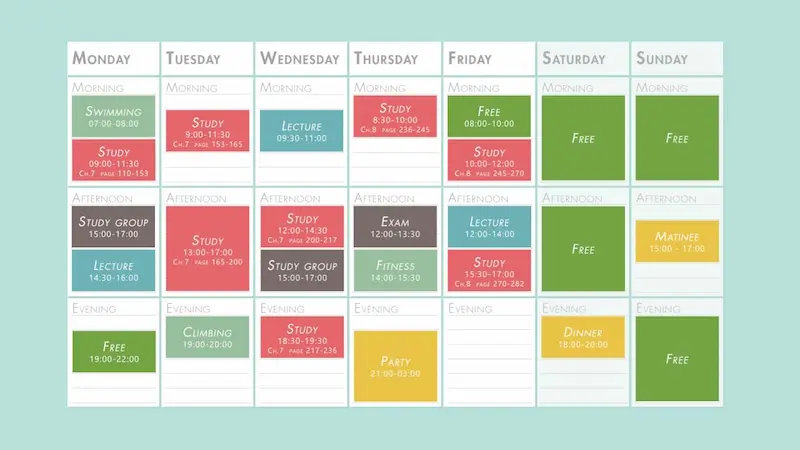
An exam study plan is a clear and structured schedule that outlines:
- What subjects to study
- Which topics to cover
- How much time to spend daily
- When to revise and practice
A good exam study plan turns big goals into small, achievable daily tasks. It removes guesswork and helps students stay focused throughout their preparation.
Why an Exam Study Plan Is Essential for Success
Many students work hard but still struggle in exams because they lack proper planning. An exam study plan gives direction and control.
Benefits of an exam study plan:
- Reduces exam stress and anxiety
- Improves time management skills
- Ensures complete syllabus coverage
- Prevents last-minute cramming
- Builds confidence before exams
With a plan in place, studying becomes purposeful and effective.
Step 1: Analyze Your Syllabus in Detail
Before creating an exam study plan, fully understand your syllabus.
- List all subjects and chapters
- Identify high-weight and important topics
- Mark easy, moderate, and difficult areas
- Note practicals, projects, or internal assessments
This analysis helps you decide where to spend more time.
Step 2: Understand the Exam Pattern and Marking Scheme
Knowing the exam format helps you study strategically.
- Understand question types (MCQs, short, long answers)
- Learn how marks are distributed
- Identify commonly repeated topics
This step ensures your exam study plan focuses on scoring areas.
Step 3: Set Clear, Achievable Study Goals
Goals give structure to your exam study plan.
How to set effective goals:
- Break the syllabus into small topics
- Set daily, weekly, and monthly targets
- Focus on topic completion, not hours studied
- Keep goals realistic and flexible
Clear goals keep you motivated and consistent.
You may also like it:
Time Management for Students: Smart Tips to Use Time Wisely
Online Subject Lessons for Easy and Flexible Learning
Test Preparation Guide – Step-by-Step Plan to Score High
Step by Step Learning Guide for Easy and Effective Learning
Step 4: Decide Your Ideal Study Time
Everyone has different concentration levels. Choose study hours that suit you best.
- Study difficult subjects when your mind is fresh
- Use 40–50 minute focused sessions
- Avoid studying when tired or distracted
An exam study plan should match your energy levels, not force unrealistic hours.
Step 5: Create a Daily Exam Study Plan
A daily exam study plan gives clarity and routine.
A balanced daily plan should include:
- 2–5 focused study sessions
- At least one revision session
- Practice questions or numericals
- Short breaks between sessions
Example Daily Exam Study Plan:
- Morning: Difficult subject (concept learning)
- Afternoon: Practice or numericals
- Evening: Lighter subject
- Night: Revision and formula review
This balance improves understanding and retention.
Step 6: Design a Weekly Exam Study Plan
A weekly exam study plan helps track progress and stay flexible.
- Assign subjects to each day
- Keep one day for revision and testing
- Adjust the plan based on weak areas
Weekly planning ensures steady progress without pressure.
Step 7: Include Regular Revision in Your Exam Study Plan
Revision is the backbone of exam success.
Smart revision strategies:
- Daily revision of studied topics
- Weekly revision of completed chapters
- Monthly full syllabus review
- Focus on formulas, definitions, and key points
Without revision, even well-prepared topics can be forgotten.
Step 8: Add Practice and Mock Tests

Practice converts learning into performance.
- Solve previous years’ question papers
- Take mock tests in exam-like conditions
- Analyze mistakes carefully
- Improve weak areas immediately
Your exam study plan should always include practice time.
Step 9: Balance Study Time and Breaks
Continuous studying reduces efficiency.
- Take 5–10 minute breaks after each session
- Use breaks to relax your eyes and mind
- Avoid mobile and social media during breaks
A balanced exam study plan keeps your mind fresh and focused.
Step 10: Maintain Health While Following an Exam Study Plan
Health directly affects concentration and memory.
- Sleep 7–8 hours daily
- Eat nutritious and balanced meals
- Drink enough water
- Do light exercise or stretching
A healthy routine supports long-term study consistency.
Step 11: Stay Motivated and Consistent
Motivation keeps your exam study plan on track.
- Celebrate small achievements
- Avoid comparing yourself with others
- Stay focused on your own progress
- Remind yourself of your goals
Consistency matters more than perfection.
Step 12: Review and Improve Your Exam Study Plan
Your exam study plan should evolve with your progress.
- Review performance weekly
- Adjust time for difficult subjects
- Remove ineffective study methods
- Improve based on test results
Flexibility makes your plan realistic and effective.
Common Mistakes to Avoid in an Exam Study Plan
- Overloading daily schedules
- Ignoring revision
- Studying without breaks
- Following someone else’s plan blindly
- Focusing only on hours, not understanding
Avoiding these mistakes makes your exam study plan successful.
Final Days Before Exams: How to Adjust Your Study Plan
As exams approach:
- Focus more on revision than new topics
- Practice quick questions and summaries
- Sleep well and stay calm
- Reduce study load slightly to avoid burnout
A lighter, revision-focused plan boosts confidence.
Conclusion
An exam study plan is the key to disciplined, stress-free, and successful exam preparation. It helps students manage time, understand subjects deeply, and revise effectively. With a realistic and flexible exam study plan, exams become manageable and achievable.
Plan smart, stay consistent, and trust your hard work.
FAQs: Exam Study Plan
Q1: When should I start an exam study plan?
Start as early as possible to allow enough time for study and revision.
Q2: How many hours should I study daily?
Study as many hours as you can focus productively—quality matters more than quantity.
Q3: Can I change my exam study plan?
Yes, a good plan should be flexible and adjustable.
Q4: Is revision more important than new study?
Both are important, but revision is essential for retention.
Q5: Should mock tests be included in an exam study plan?
Yes, mock tests improve time management and exam confidence.